
MENFP Highlights Success of 2026 National Exams, Introduces QR Code-Secured Diplomas
Port-au-Prince, Haiti — Haiti’s Ministry of National Education and Vocational Training (MENFP) has described the successful completion of the 2026 national examinations as a…
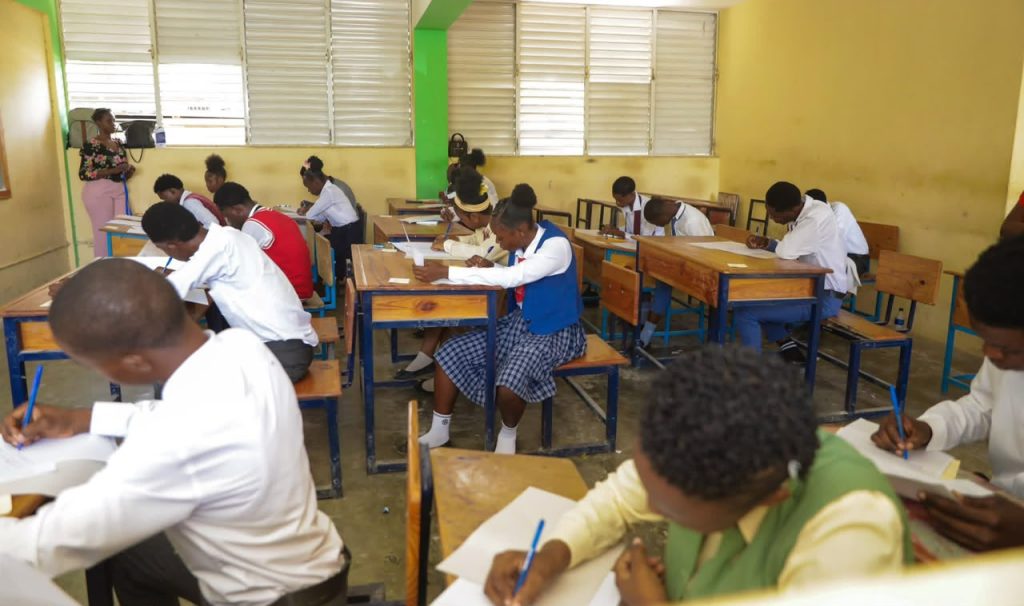
Port-au-Prince, Haiti — Haiti’s Ministry of National Education and Vocational Training (MENFP) has described the successful completion of the 2026 national examinations as a significant achievement for the country’s education system, while unveiling a new initiative to strengthen the security and authenticity of academic diplomas.
Speaking during a press briefing on Friday, Education Minister Vijonet Déméro praised the smooth administration of this year’s state examinations despite the country’s ongoing challenges. He commended the dedication of teachers, supervisors, ministry staff, security forces, and partner institutions that contributed to the successful organization of the exams.
According to the ministry, more than 102,000 candidates participated in the 2026 baccalaureate examinations out of approximately 118,000 registered students, reflecting a participation rate exceeding 86 percent. Officials reported that the examination process concluded without any major incidents.
One of the major announcements made during the briefing was the introduction of a new generation of secure diplomas featuring unique QR codes. The technology will enable universities, employers, and government institutions to instantly verify the authenticity of academic documents, helping combat fraud and document forgery.
The MENFP also announced that, beginning in August 2026, diplomas will be legalized automatically once applicants submit the required documentation, reducing administrative delays and simplifying procedures for graduates. Additionally, legalization services will be expanded to the country’s departmental education offices, making the process more accessible outside Port-au-Prince.
Education officials say these reforms are part of a broader effort to modernize Haiti’s education system through digital technology, improve public services, and increase confidence in official academic credentials both nationally and internationally.